What Should a Soccer Kit Include for Your Team?
A mismatched uniform can make a well-organized team look unprepared before the opening whistle. The right kit does more than meet league requirements - it gives players confidence, helps coaches identify positions, and puts your club colors in front of every parent, opponent, and supporter. So, what should a soccer kit include? Start with the match essentials, then build in the personalized details and practical extras that fit how your team plays, travels, and represents itself.
What Should a Soccer Kit Include for Match Day?
At the core, every outfield player needs a matching jersey, shorts, and socks. This is the standard soccer uniform combination for clubs, schools, recreational leagues, and tournament teams. Each piece should work together in color, fit, and performance, not simply look good on its own.
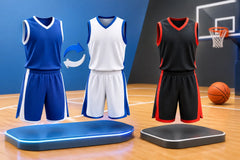
A complete match kit should include a primary uniform and, for many teams, a second option for away games or color conflicts. Check your league rules before ordering. Some competitions require contrasting jerseys for both field players and goalkeepers, while others have specific rules about numbers, sleeve colors, or logo placement.
The best approach is to plan the full uniform as one coordinated set. Choose the jersey first, then match the shorts and socks to create a clean, recognizable team identity.
Custom Soccer Jerseys
The jersey is the centerpiece of the kit. It carries the visual identity of the team and needs to hold up through games, practices, washing, and travel. For organized teams, a custom jersey typically includes the club or school logo, team colors, player number, and player name when required or preferred.
Sublimated soccer jerseys are a strong choice for teams that want detailed graphics without heavy layers of print. Colors, patterns, sponsor marks, stripes, and taglines are dyed directly into the fabric, creating a premium look that stays sharp instead of cracking or peeling. It also gives coaches and organizers more freedom than a basic one-color jersey.
When choosing a design, think beyond this season. A clean layout with a clear number area is easier to reuse for future rosters, while an overly complicated design can become expensive or difficult to match later. A free mockup is especially useful before production because it lets the team see logo size, number placement, and color balance before approving the order.
Soccer Shorts and Socks
Shorts should match the jersey design without competing with it. Most teams choose a solid color that pulls from the jersey, although custom side panels, piping, or sublimated patterns can add a more polished finish. Prioritize lightweight fabric and a comfortable athletic cut so players can sprint, slide, and move freely.
Socks may seem like a small detail, but they complete the uniform. Match them to the jersey or shorts and make sure the color is distinct enough for players, referees, and spectators to see clearly. For teams using multiple uniform sets, order socks for each kit rather than asking players to mix and match.
Build a Soccer Kit Around Your Team Identity
A soccer uniform should make a team instantly recognizable. That means deciding what must stay consistent across every item: your primary colors, logo, number style, and overall design attitude. A youth club may want bright, energetic colors and bold graphics. A high school program may need a more traditional design that fits school branding. An adult league team may want a modern or retro look that stands out at weekend tournaments.
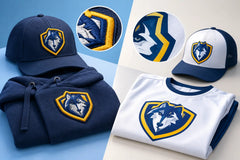
Customization is where a standard kit becomes your kit. Consider adding your team name, player names, numbers, mascot, club crest, sponsor logo, or a short tagline. These details help create a professional appearance without requiring a professional-level budget.
There is a trade-off, though. More personalization means more roster details to review. Before placing a bulk order, collect spelling, numbers, and sizes in one final roster sheet. A simple review process prevents the most common ordering problems: duplicate numbers, misspelled names, and players receiving the wrong size.
Numbers, Names, and Patches
Player numbers should be large, high-contrast, and easy to read from the sideline. Check league regulations for acceptable placement and number size. Most teams place the main number on the back, with an optional smaller number on the front of the jersey or on the shorts.
Names add a personal touch and are particularly valuable for school teams, competitive clubs, and players keeping uniforms for multiple seasons. If your roster changes frequently, numbers alone may be the smarter choice. They simplify reorders and make it easier to assign existing jerseys to new players.
Embroidered patches can add another level of team pride. A crest patch, captain patch, tournament badge, or commemorative design works well on jerseys, polos, hoodies, and tracksuits. Use them selectively so the uniform remains clean and readable.
Do Not Forget the Goalkeeper Kit
Goalkeepers need a clearly different kit from both teams and the referee. At a minimum, provide a goalkeeper jersey in a contrasting color, along with matching shorts and socks. Bright colors such as neon green, orange, yellow, or blue are common because they are easy to distinguish in fast play.
Goalkeeper jerseys should allow easy movement through the shoulders and arms. Depending on the age group and playing surface, some keepers also prefer padded sleeves or elbow protection. Gloves, padded shorts, and a second goalkeeper jersey are smart additions, especially for competitive schedules or wet-weather games.
A backup goalkeeper kit matters more than many teams expect. Mud, rain, blood-rule changes, and color clashes can take a jersey out of use quickly. Having a spare avoids a last-minute scramble before a crucial match.
Practice and Travel Pieces That Make Sense
Not every item needs to be part of the official match uniform, but a few teamwear additions make life easier for players and coaches. Practice jerseys or training tops protect the game kit from extra wear. They are also ideal for scrimmages, tryouts, and sessions where teams need quick color separation.
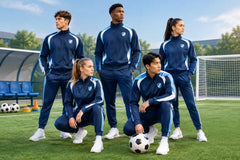
For clubs and schools that travel, matching tracksuits, warm-up jackets, hoodies, and polos create a unified look off the field. They are useful on cool game days, during team arrivals, and at events where players represent the program away from the pitch. Coaches often appreciate custom polos or jackets as well, since they make staff easy to identify and keep the whole sideline on brand.
Consider these four practical add-ons when they fit your program:
- A warm-up top or jacket for cold mornings and late-season games.
- Training jerseys for practices, camps, and tryouts.
- Team hoodies for travel, supporters, and player gifts.
- Custom bags or accessories for a more organized tournament setup.
Fit, Fabric, and Sizing Are Part of the Kit
Great design cannot fix poor sizing. Soccer players need room to move, but overly loose uniforms can feel heavy and look untidy. Use US sizing and request a size chart before collecting player orders. For youth teams, ask parents to measure or compare sizing with a shirt that already fits well instead of guessing by age alone.
Fabric choice matters too. Lightweight, moisture-managing materials help players stay more comfortable during hot practices and high-intensity matches. Sublimation is especially practical because the design becomes part of the fabric, keeping the jersey breathable and flexible even when it includes detailed artwork.
Order a small number of extras if your budget allows. New players join, uniforms get lost, and tournament rosters can change. Keeping a few blank or numbered backup pieces in common sizes can save time later.
Order Your Complete Soccer Kit With a Clear Plan
The smoothest team orders start with a few decisions made early: which uniform is home, which is away, what colors the goalkeeper will wear, where the logo and numbers go, and whether names are included. Once those choices are set, collect accurate sizes and finalize the roster before approving the design.
RRR Sports America helps teams create custom soccer uniforms with personalized colors, logos, names, numbers, and premium sublimated designs. Free mockups, team pricing, and a stated 15-day turnaround make it easier to move from an idea to a coordinated kit without slowing down your season.
Choose a kit your players will be proud to put on, not just one that checks a league box. When the colors match, the names are right, and every player looks part of the same group, the team arrives with a stronger presence before the game even begins.