Best Breathable Volleyball Jersey Styles
A volleyball jersey has to keep up with every serve, scramble, and five-set match. The best breathable volleyball jersey styles give players a lighter feel, better airflow, and a sharp team look that still stands out from the bleachers. For coaches and team managers, the right style also needs to make sense for your roster, budget, colors, and turnaround schedule.
A great jersey is not just about choosing a bright color or adding a team logo. Cut, fabric weight, panel placement, and decoration method all affect how the uniform performs on the court. Start with the way your team plays, then build a design that looks united from the first whistle to the final point.
What Makes a Volleyball Jersey Breathable?
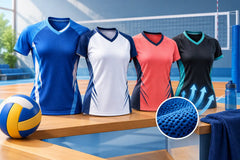
Breathability comes from more than a fabric label. It is the combination of moisture-wicking material, a comfortable fit, and a design that does not trap heat where players feel it most. Most competitive volleyball teams benefit from lightweight polyester performance fabric because it dries quickly and holds color well through repeated washing.
Sublimated jerseys are a strong option for teams that want detailed graphics without the heavy feel of layered vinyl or thick screen printing. The artwork is dyed directly into the fabric, so names, numbers, logos, gradients, and patterns stay smooth against the jersey. That matters when players are moving their arms constantly for passing, serving, blocking, and hitting.
Fit matters just as much. A jersey that is too loose can feel bulky during quick transitions. One that is too tight can limit shoulder movement or make players feel overheated. US sizing, clear measurements, and a sample-first approach help avoid a uniform problem that becomes obvious only on match day.
Best Breathable Volleyball Jersey Styles for Teams
The best style depends on whether your team wants a traditional gym look, a modern club identity, or a design built to make a statement at tournaments. These are the jersey directions that consistently work for school programs, club teams, recreational leagues, and travel squads.
Classic V-Neck Performance Jerseys
The V-neck volleyball jersey remains a favorite because it is clean, familiar, and easy to customize. It gives teams a professional look without overcomplicating the design. A contrast collar, sleeve piping, or a subtle side panel can add color while keeping the front open for a logo and player number.
This style works especially well for programs that need a uniform capable of lasting several seasons. Use a primary school or club color as the base, then bring in one accent color for the collar, side panels, or number outline. It is a smart choice when coaches want every player to look polished without chasing a short-lived trend.
Crew-Neck Jerseys With Athletic Side Panels
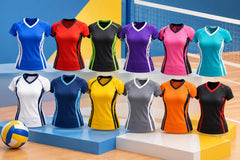
A crew neck offers a slightly more modern, streamlined look and often appeals to teams that prefer a secure collar during fast movement. Pair it with angled side panels or underarm color blocks to create visual motion. Those panels can be designed to look like mesh zones, waves, lightning, or clean geometric lines.
Keep the contrast purposeful. Too many competing colors can make numbers harder for referees and spectators to read. A strong layout usually uses a dominant base color, one bold contrast, and a neutral detail such as white, black, or gray.
Mesh-Inspired Sublimated Designs
Teams love the appearance of mesh, but an all-over open mesh fabric is not the only route to a cooler-looking jersey. Mesh-inspired sublimation patterns can place a breathable visual texture across the shoulders, side panels, or upper back while maintaining a consistent performance fabric throughout the garment.
This style is ideal for teams that want a high-energy look without adding physical layers. Small perforation-style graphics, faded dot patterns, and tonal hexagons create depth from close up and look clean in team photos. Since the design is sublimated, it will not crack, peel, or add a stiff patch over the chest.
Sleeveless and Racerback Volleyball Jerseys
Sleeveless jerseys and racerback cuts create maximum freedom around the shoulders. They are popular for beach volleyball, summer leagues, and teams that want a lighter, more aggressive game-day silhouette. They can also be a good option for athletes who dislike fabric bunching near the arms during serves and blocks.
The trade-off is coverage and team preference. Some school programs or leagues have uniform guidelines that favor a more traditional sleeve. Confirm the rules before ordering, and consider offering a short-sleeve companion style for athletes who want additional coverage.
Bold Gradient and Ombre Jerseys
A gradient jersey can make a team recognizable from across the court. Color fades from dark to light, a diagonal wash, or a two-tone shoulder fade gives a basic jersey more movement without making it difficult to read. This is a strong choice for clubs building a fresh identity or tournament teams that want a premium appearance at an affordable team-order price.
For the best result, protect contrast around the number area. If the front shifts from navy to royal blue, use a white number with a dark outline. If the back uses a light section, choose a darker number treatment. Visibility should always win over a graphic that looks good only in a mockup.
Retro Stripe and Heritage Designs
Retro is back because it gives teams a distinct personality without needing complex artwork. Think chest stripes, color-block sleeves, varsity-style numbers, or a classic badge-inspired logo position. These jerseys look especially strong for school programs, alumni events, and clubs that want tradition built into their uniform identity.
The key is restraint. One or two stripes usually look better than five. A retro design should feel intentional, not crowded. Use modern moisture-wicking fabric and sublimation printing to get the old-school visual with current performance benefits.
Choose the Right Cut for Your Roster
A style can look perfect on a product image and still miss the mark if the cut does not work for your players. Before finalizing artwork, think about the variety of body types on the roster, the league’s requirements, and whether the team needs youth and adult sizes in one coordinated look.
Short sleeves are the most flexible option for mixed-age teams and programs placing larger orders. Sleeveless cuts feel lighter and more sport-specific for many athletes. Long-sleeve jerseys can be useful for cooler gyms, outdoor events, or players who simply prefer more coverage, but they may feel warmer during high-intensity matches.
Ask for sizing details early. Coaches should collect player measurements instead of relying only on usual T-shirt size, especially when ordering fitted women’s cuts, youth jerseys, or uniforms for a new supplier. A good uniform should allow full arm motion without pulling across the shoulders or riding up during play.
Build a Design That Stays Readable
Breathable volleyball jerseys still have a job to do: help officials, coaches, and fans identify players quickly. Numbers should be large, high contrast, and positioned consistently. A busy graphic behind a number can weaken the entire design, even if the rest of the jersey looks great.
Place the team name or logo where it has room to breathe on the chest. Add player names only if your program values individual personalization and has the budget for it. With sublimation, adding names and numbers can be simple, but the artwork should be approved carefully before production.
For a coordinated team package, repeat the jersey’s accent color on shorts, warm-up tops, hoodies, or polos. This creates a complete club look without forcing every item to use the same full graphic. RRR Sports America can help teams turn a color idea, logo, and roster into a custom mockup before the order moves forward.
Fabric and Design Choices That Can Work Against You
Not every trendy uniform choice feels good through a long tournament weekend. Heavy appliqué, thick front graphics, and multiple decoration layers can reduce flexibility and hold heat. They may work for fanwear, but performance jerseys generally benefit from a smoother finish.
Very light colors can show sweat more easily, particularly in brightly lit gyms. Darker bases, heather-style graphics, or patterned panels can reduce that issue while still keeping the uniform vivid. White jerseys remain a classic option, but consider contrast side panels and proper underlayers for player comfort.
Avoid placing large logos directly under the arms or across areas that stretch heavily. Those locations can make a design look distorted when athletes move. Shoulder graphics, chest marks, side panels, and upper-back details usually deliver more reliable visual impact.
Order Early Enough to Get the Details Right
Fast production is valuable, but a well-organized order saves more time than last-minute changes. Collect names, numbers, sizes, logo files, and preferred colors before the design process begins. Decide whether the team needs matching libero jerseys, practice tops, coach polos, or travel gear at the same time.
A free mockup is the moment to check every detail: number contrast, spelling, color balance, logo placement, and the overall feel of the jersey. Teams with a firm deadline should also build in time for roster changes and size confirmation. A stated 15-day turnaround can be a major advantage, but approval delays can still affect the schedule.
Choose a jersey style that makes players feel quick, confident, and visibly connected. When the fabric stays comfortable and the design carries your team colors with purpose, every lineup looks ready to compete.