Soccer Training Tracksuits That Look Like a Team
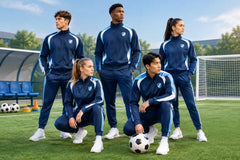
A team can have sharp game jerseys and still look unprepared when warmups begin. Soccer training tracksuits solve that gap. They give players, coaches, and staff a unified look for arrival, pregame routines, travel days, cool-weather training, and the sideline when the temperature drops.
For clubs, schools, and league teams, the right tracksuit is more than an extra layer. It is practical teamwear that keeps athletes comfortable while putting your colors, logo, and identity in front of parents, opponents, and supporters. The best orders balance appearance, fit, durability, and a simple customization process.
Why soccer training tracksuits earn their place
A matching tracksuit changes the way a group arrives at a field or tournament. Players look organized before the first whistle, and coaches do not have to worry about athletes wearing random hoodies in different colors. That matters at showcases, school events, league finals, and travel weekends where your team represents more than one game.
The functional value matters just as much. A jacket gives players a fast layer before warmups and after the match, while matching pants help maintain warmth during cool sessions. For substitutes and injured players, tracksuits are especially useful on the bench. They can stay comfortable without covering up the club identity everyone worked to build.
Custom pieces also stretch beyond the roster. Coaching staff, trainers, team managers, and club directors can wear coordinated tracksuits without needing the same number and name treatment as players. That creates a professional sideline presence and makes staff easy to identify at crowded tournaments.
What to customize on soccer training tracksuits
A good custom design starts with the details people can recognize from a distance: your primary team color, secondary accent color, and logo placement. Keep the jacket front clean enough that the crest or club logo stands out. A bold color panel, sleeve stripe, or shoulder accent can add energy without turning the design into a cluttered collection of graphics.
Player names and numbers are often the deciding factor for teams choosing personalized tracksuits. Names can go across the back of the jacket, while numbers may sit below the name or on the pant leg. This setup helps players keep track of their gear during travel and gives the apparel a complete team-issued feel.
Some teams prefer a simpler club-wide look with only the logo and team name. That can be the smarter choice for youth programs, academies, or organizations that plan to reuse apparel across seasons. It also helps when sizing changes frequently or when the same tracksuits need to work for players, coaches, and volunteers.
Sublimated design is a strong option when your club wants detailed color, patterns, logos, or sponsor artwork. Instead of relying on a limited set of stock colors, sublimation gives teams room to match their existing uniforms closely. It is especially valuable for clubs with unique color combinations, gradients, camouflage-inspired patterns, or modern geometric designs.
Choose details that support your club identity
A tracksuit should work with your game uniform, not compete with it. If your jerseys already have busy graphics, a cleaner tracksuit with a strong crest and simple color blocking often looks more professional. If your uniforms are classic and minimal, a more modern jacket design can create a fresh travel look without changing the club's identity.
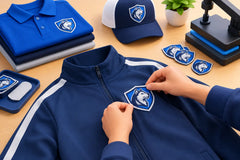
Do not overlook small details. An embroidered patch can give a traditional club feel, while a printed tagline on the back or inside collar can build pride around a season theme. Tournament teams may add an event name or year, but that is best reserved for orders intended as keepsakes rather than long-term club apparel.
Fit, fabric, and function matter on the field
Looks get attention, but comfort decides whether players actually wear the tracksuit. Soccer athletes need room through the shoulders, hips, and knees. A jacket that is too tight makes warmup movement awkward. Pants that are too loose can get in the way during passing drills, stretching, and quick changes at the sideline.
US sizing is important when ordering for a full roster. Ask players to check a size chart instead of guessing based on a favorite casual sweatshirt or pair of jeans. Youth and adult size ranges should be handled separately, and coaches should collect sizing before finalizing names and numbers. Personalization makes last-minute size changes harder and can add unnecessary delays.
Fabric choice depends on when and where your team plays. Lightweight performance fabric works well for spring, summer evenings, and indoor facilities. A heavier option makes more sense for fall schedules, early morning tournaments, and colder regions. Some clubs order lightweight tracksuits for players and add custom hoodies for colder travel days. It depends on the climate, the budget, and how much use the gear needs to handle.
Zippered jackets are usually the most versatile choice because players can take them on and off without disturbing hair, headbands, or pregame preparation. Full-zip styles also make the logo more visible when worn open. Tapered pants create a modern athletic profile, but make sure the lower leg opening is practical for players changing around cleats.
Build a better team order from the start
The easiest team orders begin with one person collecting the essentials: roster names, player numbers, sizes, and any staff apparel needs. Confirm spelling before artwork is approved. A misspelled name or duplicate number is easy to fix on a spreadsheet and expensive to fix after production begins.
Next, decide whether every person receives the same package. A standard player package may include a jacket and pants, while coaches may need jackets only. Goalkeepers might want a different colorway that coordinates with their goalie kits. Offering an optional parent or supporter version can also be a practical way to build club spirit without complicating the player order.
When choosing quantities, include a few smart extras. A spare jacket in common youth or adult sizes can save a season when a new player joins, a replacement is needed, or a coach forgot their layer at an away match. The trade-off is upfront cost, so reserve extras for core items and avoid adding personalized names or numbers to them.
For large programs, keeping one approved tracksuit design on file makes future orders faster and more consistent. Teams can update a season year or roster details while retaining the same logo placement, colors, and style. That consistency is valuable for clubs that want every age group to look connected.
Get the timing right for tournaments and seasons
Tracksuits are often ordered too late because they are viewed as an accessory instead of part of the season setup. Start the design process before tryouts finish when possible. That gives organizers time to review a free mockup, gather accurate sizes, approve artwork, and place the order without rushing every decision.
A stated 15-day turnaround can be a major advantage for teams with a tournament, school event, or travel date approaching, but production time is only one part of the schedule. Roster collection, design approval, and shipping all need room in the calendar. The more personalized the order, the more important it is to finalize details early.
RRR Sports America helps teams create custom tracksuits that match their soccer uniforms, club colors, and budget, with personalized design support for bulk team orders. A clear mockup before production gives coaches and managers a chance to check logo size, name placement, color balance, and overall appearance before the gear reaches the team.
Make the tracksuit part of the team standard
The strongest teamwear programs set a simple expectation: players wear the tracksuit for arrival, team travel, and official events. That does not mean athletes cannot show personality off the field. It means there is a consistent standard when the team is together and representing the club.
Give your tracksuit the same attention you give your jerseys. Choose colors with purpose, confirm every size and spelling, and leave enough time for the design to be done right. When players zip up the same custom jacket before a big match, they do not just look ready. They feel connected to the group they are about to represent.