Custom Sports Apparel No Minimum Options
A full team order is great - until you only need three warm-up tops, one replacement goalie jersey, or a few branded hoodies for coaches. That is where custom sports apparel no minimum makes a real difference. It gives teams, schools, clubs, and organizers the freedom to order what they need, when they need it, without waiting to hit a quantity requirement that does not fit the moment.
For practical buyers, that flexibility is not a small perk. It solves real problems. Rosters change. Players join late. Sizes get missed. Tournament schedules move fast. Booster groups want supporter gear without committing to large runs. When you can order custom pieces one at a time or in small batches, you keep your team looking consistent without tying up your budget in extra inventory.
Why custom sports apparel no minimum matters
Most team buyers are not placing one perfect order and never revisiting it. Real programs are constantly adjusting. A school may need varsity uniforms first, then coach polos later, then travel hoodies after fundraising clears. A club might need a complete soccer kit for one squad and only a few replacement jerseys for another. A rec league may want affordable custom shirts but not enough volume to meet a traditional supplier's minimum.
That is why custom sports apparel no minimum is such a useful option. It removes friction from the buying process. You can order around actual need instead of ordering around a factory rule. That protects cash flow, reduces waste, and helps teams stay organized through the season.
There is also a branding advantage. Teams build identity through consistency. Matching colors, logos, names, and numbers matter whether you are outfitting 200 players or 2 assistant coaches. No-minimum ordering makes it easier to keep that identity sharp across jerseys, tracksuits, hoodies, polos, and sideline gear.
What teams usually want from no-minimum apparel
The request sounds simple at first: no minimums. But most buyers want more than that. They want low-risk ordering without sacrificing quality, speed, or customization.
A cheap single-item order is not a good deal if the print fades, the sizing runs off, or the colors do not match the rest of the team set. For sportswear, details matter. Fabric needs to perform. The fit needs to feel athletic but comfortable. Logos and numbers need to look crisp. If you are adding sponsors, taglines, or player names, the layout needs to look intentional, not crowded.
That is why customization support matters almost as much as the no-minimum policy itself. A good supplier should make it easy to adjust colors, place logos, approve a mockup, and confirm sizing before production starts. For coaches and team managers, that saves time and avoids expensive mistakes.
Best uses for custom sports apparel no minimum
No-minimum ordering works especially well when the order is specific, time-sensitive, or still evolving. Replacement uniforms are one of the most obvious examples. If a player tears a jersey, switches numbers, or joins midseason, you should not have to reorder a full set just to stay consistent.
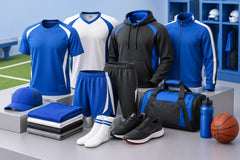
It also works well for staff apparel. Coaches, trainers, team managers, and volunteers often need a more limited quantity than players do. A few custom polos, quarter-zips, hoodies, or sideline tops can make the whole program look more professional without requiring a large purchase.
Fan gear is another strong use case. Parents, supporters, and school groups often want branded apparel in smaller runs. A few hoodies for boosters or custom tees for tournament travel can help build team identity without forcing a bulk order that leaves extras sitting in boxes.
Then there are startup teams and new programs. If you are launching a club, organizing a school team, or testing a new design direction, ordering small is smart. You can see the finished look, confirm sizing, and build confidence before placing larger team orders later.
The trade-off: no minimum does not always mean lowest price
There is a clear advantage to flexibility, but practical buyers should understand the trade-off. Smaller orders often cost more per piece than bulk team purchases. That is normal. Setup, design work, and production still take time, whether you order two items or two hundred.
That does not mean no-minimum apparel is expensive. It means the best value depends on what you actually need. If you only need one custom goalie kit, paying a slightly higher per-unit price is still better than buying ten just to meet a minimum. On the other hand, if your full roster is confirmed and your budget depends on lower unit cost, a team order may be the smarter move.
The key is flexibility. Strong suppliers can support both paths - small custom orders when timing matters and bulk pricing when volume makes sense.
What to look for before you order
The first thing to check is print method and garment quality. For teamwear, sublimation is a strong choice because it delivers long-lasting color, clean graphics, and a premium look that holds up well under regular use. That matters for soccer jerseys, basketball uniforms, volleyball tops, and training gear where movement, washing, and repeated wear are part of the job.
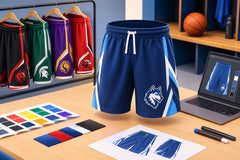
Next, look at design options. You want more than a blank template with your logo dropped on top. Good custom apparel should let you personalize colors, names, numbers, patches, sponsors, and styling details in a way that feels built for your team. Modern, classic, and retro looks all have a place - what matters is that the design matches your identity.
Turnaround time is another big factor. Small orders are often urgent orders. If a supplier offers no minimums but takes too long to produce replacements or add-on items, the flexibility loses value. Teams usually need fast response, clear communication, and realistic production timing.
Sizing matters too, especially for US buyers. If the size chart is inconsistent or unclear, no-minimum ordering can turn into repeated corrections. Reliable US sizing helps coaches and managers place orders with more confidence and fewer returns or reorders.
Who benefits most from this ordering model
Coaches benefit because they can fix problems quickly. Team managers benefit because they can keep programs organized without carrying too much extra stock. Clubs benefit because they can support multiple age groups and roster changes without locking every item into one giant order.
Schools benefit because budgets are usually split across departments, seasons, and approval timelines. A small order for polos now and a larger uniform order later is often more realistic than one all-in purchase. Recreational leagues benefit because participation numbers shift and one-size-fits-all buying rarely works.
Even individual players and parents benefit. If the team needs a replacement jersey, a custom hoodie, or a personalized training top, no-minimum ordering gives them a direct path to matching gear without unnecessary delay.
Why the right supplier still matters
No-minimum ordering is only helpful if the finished product still looks like part of a real team program. That means color consistency, quality construction, and clean customization across every item. A replacement jersey should match the original set. A coach polo should feel like part of the same brand family as the team uniform. A fan hoodie should still carry the same visual identity.
This is where experience matters. Suppliers that understand team sports know that speed alone is not enough. Buyers need clear mockups, dependable communication, and apparel options that work across match day, training, travel, and sideline use. RRR Sports America is built around that kind of practical team support - custom looks, strong value, and fast turnaround without making the process harder than it needs to be.
Making custom ordering easier for your team
If you are considering custom sports apparel no minimum, start by thinking beyond the single item in front of you. Ask whether the supplier can support your full program over time. Can they handle uniforms, warm-ups, polos, hoodies, and replacements with the same design consistency? Can they keep your colors, logos, and sizing straight as needs change? Can they help you move fast when the season does not wait?
The best no-minimum option is not just flexible. It is dependable. It gives you room to order small today without limiting what you can build tomorrow. For teams that care about identity, budget control, and quick turnaround, that kind of flexibility is not extra. It is part of staying ready.