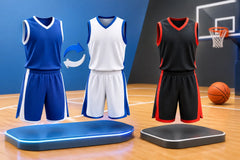
Custom Soccer Jerseys Review for Teams
A sharp custom soccer jerseys review starts where most team orders go wrong - not with the design, but with the details that show up after checkout. A jersey can look great in a mockup and still miss the mark on fit, print clarity, delivery timing, or overall value. For coaches, club directors, and team managers, that is the difference between a smooth season and a frustrating reorder.
What a custom soccer jerseys review should actually cover
If you are buying for a full roster, you are not just reviewing a jersey. You are reviewing the supplier's ability to handle names, numbers, color accuracy, sizing, communication, and deadlines without creating extra work for your staff. That is why the smartest buyers look beyond the product photo.
The first thing to assess is material and print method. Sublimated jerseys usually give teams the cleanest long-term result because logos, stripes, gradients, and sponsor graphics are dyed into the fabric instead of sitting on top of it. That matters over a season. Heat-pressed graphics can work for some short-run needs, but they are more likely to crack, peel, or fade with heavy wash cycles.
The second factor is fit. A custom uniform only looks professional when the sizing feels consistent across the roster. Adult sizes, youth sizes, goalie cuts, and women's fits should not feel like an afterthought. US-based teams need US sizing clarity, not vague charts that create returns and replacement requests later.
Then comes ordering support. Team buyers rarely place a simple one-item order. They need help with player lists, duplicate numbers, logo placement, and design approvals. A supplier that offers free mockups and fast response times saves real time before production even begins.
Custom soccer jerseys review: the features that matter most
Print quality is usually the first thing players notice. Are the colors bold? Do logos look sharp? Are numbers easy to read under stadium lights? Premium-looking jerseys do not need to carry a premium price, but they do need crisp execution. Blurry crest details, uneven number placement, and off-tone colors are the fastest ways to make a team order look cheap.
Fabric quality matters just as much, especially for soccer. Jerseys need to stay lightweight without feeling thin. They should move well, hold shape, and stay comfortable through training and match play. If the fabric traps heat or feels stiff, players notice immediately. If it washes poorly, team managers notice after week two.
Customization depth is where one supplier separates itself from another. Basic name-and-number service is no longer enough for many clubs and schools. Teams want exact colors, sponsor logos, taglines, sleeve details, matching shorts, and goalkeeper kits that look connected to the field players without becoming a copy of them. A good supplier makes those options easy to build into the order.
Speed is another major part of any real review. Fast turnaround is not a luxury for many teams. Tryouts, tournaments, late roster additions, and school-season changes can all compress the timeline. A supplier that can move from approval to production quickly has a clear advantage, but only if that speed does not hurt print consistency or order accuracy.
Where buyers usually get disappointed
The biggest issue with custom orders is not always quality. Often, it is mismatch between expectation and execution. A buyer expects one shade of red and receives another. A slim-cut jersey arrives for a roster that needed a standard fit. A seller promises quick service but goes quiet during the approval stage. Those problems are avoidable, but only if the supplier is set up for team ordering instead of one-off apparel sales.
Another common problem is pricing that looks low at first and rises later. Add-ons for names, numbers, logo placement, rush service, or larger sizes can change the final cost quickly. A strong review looks at total order value, not just the base jersey price. Teams should know the real number before they commit, especially when buying for a large squad plus coaches, staff, and supporters.
Minimums can also be a deciding factor. Some suppliers are ideal for clubs ordering in volume but less flexible for smaller schools or recreational teams. Others can handle both. It depends on your roster size and whether you expect repeat orders during the season.
How to judge value instead of just price
A cheap jersey is not always affordable once problems start. If a team has to reorder due to sizing confusion, faded graphics, or poor communication, the original savings disappear fast. Better value usually comes from a combination of fair pricing, durable sublimation, dependable turnaround, and support that makes the order process easier.
That is where practical extras matter. Free mockups help teams approve the look before production. Team discounts and wholesale pricing make bigger orders easier to manage. Fast shipping matters when the season is already moving. Direct communication is also a real advantage because team buyers often need quick answers, not a slow back-and-forth through generic email support.
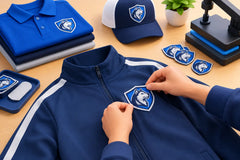
For many programs, the best value comes from ordering through a supplier built around custom teamwear rather than a general apparel store trying to serve sports teams on the side. The difference shows up in details like matching full kits, goalkeeper options, retro styles, warmups, polos, hoodies, and branded off-field gear that create a stronger club identity.
A practical buying standard for teams
When coaches and managers ask what makes a supplier worth considering, the answer is simple. The jersey has to look right, fit right, arrive on time, and stay within budget. If one of those four areas falls short, the order becomes harder to defend.
A strong supplier should offer modern, classic, and retro styling options because not every team wants the same look. Some clubs want bold patterns and standout color blocking. Others want a cleaner, traditional design for school programs or community leagues. Design variety matters because identity matters. Players notice when a kit feels generic, and supporters notice when it feels built for the team.
This is also where a company like RRR Sports America fits the conversation naturally. For teams looking at custom uniforms through the lens of price, speed, and visual impact, the strongest appeal is the mix of premium-looking sublimation, free mockups, broad customization, and a stated 15-day turnaround. That combination speaks directly to the needs of organized teams that do not have time for a complicated order cycle.
Who should be most selective in a custom soccer jerseys review
School programs should pay close attention to sizing consistency and reorder potential. If junior varsity, varsity, and staff gear may need to match later, the supplier should have reliable design retention and stable production quality.
Club teams should focus heavily on branding flexibility. Sponsor marks, academy logos, alternate kits, training tops, and travel gear all need to stay visually aligned. A supplier with broader teamwear options makes that easier.
Recreational leagues may care most about affordability and speed, but even here, quality still matters. If the jerseys are only for one season, you may accept fewer premium details. If the league wants a professional look for photos, events, and repeat use, stepping up in print quality and customization usually pays off.
Final take on custom soccer jerseys review decisions
The best custom soccer jerseys review is not about chasing the lowest price or the flashiest design. It is about finding a supplier that can handle real team demands without slowing you down. Look for clean sublimation, dependable fit, clear communication, honest pricing, and a process that respects your season timeline.
A jersey should do more than cover a roster. It should carry your colors, your identity, and your standards every time the team steps on the field. Buy with that in mind, and the right order feels less like merchandise and more like part of the program.