Club Uniform Branding Guide for Stronger Teams
A club uniform has one job before the first whistle: make your team look like it belongs together. When players step onto the field in mismatched colors, poorly placed logos, or inconsistent gear, the club identity gets lost. A strong club uniform branding guide helps coaches and organizers turn jerseys, warm-ups, polos, and supporter apparel into a look players are proud to wear.
This is not about adding every possible graphic to a jersey. It is about making smart choices that look professional, fit your budget, and work across a full season of games, travel, photos, fundraisers, and future roster changes.
Start Your Club Uniform Branding Guide With Identity
Before choosing a jersey template, define the visual pieces that should stay consistent across every team and product. Your home soccer kit, goalkeeper jersey, coaching polo, hoodie, and tracksuit do not need to look identical. They should still look like they come from the same club.
Start with your club name, logo, primary colors, and a secondary accent color. If your current logo has several shades or fine details, decide how it will appear on fabric at game distance. A logo that looks great on a website can become hard to read when it is small, printed over a busy pattern, or placed on a dark sleeve.
Keep the core identity simple. Most clubs get the best result with one main logo, one approved alternate mark, two core colors, and one or two font styles. That gives every uniform a clear direction while still leaving room for modern, classic, or retro-inspired designs.
Choose Colors That Work Under Pressure
Your colors should look good in a team photo, but they also need to work under stadium lights, in rain, and from the sideline. High-contrast combinations make player numbers easier for referees, scorekeepers, and fans to read. A dark navy jersey with black numbers may look subtle in a mockup, but it can create problems on the field.
Choose a primary uniform color that represents the club, then build a reliable contrast system around it. For example, a royal blue club may use white numbers on its home kit and bright yellow numbers on its dark alternate kit. The exact combination depends on league rules, but visibility should always win over a trendy low-contrast design.
Also plan for color conflicts. Soccer clubs especially need a clear alternate kit when opponents wear similar colors. A true alternate is more useful than a slightly lighter version of the same jersey. If your home kit is dark, consider a light alternate with a distinct accent color and matching socks.
Build a Jersey Layout That Looks Professional
The front of the jersey is valuable space. Treat it that way. Players, parents, sponsors, and opponents should be able to identify the club in seconds.
The club crest usually belongs over the heart or centered on the chest, depending on the design. A team name can sit across the chest, while a smaller sponsor mark may fit below it or on a sleeve if your league allows it. Avoid shrinking everything to fit. A clean crest and readable club name often look stronger than four small marks competing for attention.
Player numbers should be large, clear, and consistent. Use one number font across all teams whenever possible. Names can go above the back number, but they are not always necessary for youth teams or budget-focused orders. If you add names, check spelling carefully before production. Correcting one misspelled jersey after the order is delivered costs more than reviewing a roster twice.
Use Sublimation to Create a Full Club Look
Sublimated uniforms give clubs more design freedom than basic heat-applied graphics. Patterns, gradients, stripes, texture effects, and color blocks can become part of the fabric design rather than separate layers placed on top.
That matters when you want a premium-looking kit without loading it with expensive add-ons. A subtle diagonal pattern in club colors can make a jersey feel custom. A tonal watermark of the crest can add identity without hurting readability. Sleeve accents can connect the jersey to matching shorts, socks, warm-ups, and fan apparel.
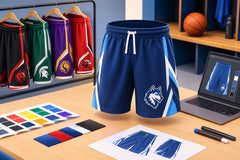
The trade-off is restraint. A pattern should support your logo and numbers, not compete with them. If the jersey has a bold graphic, keep the number area clean. If the crest is detailed, use a calmer background behind it. Free mockups are valuable here because they let your club see the full balance before an order moves forward.
Think Beyond Game-Day Jerseys
A club brand is built everywhere your team appears. Game uniforms matter most, but the rest of your apparel can make the organization look organized before players even step on the field.
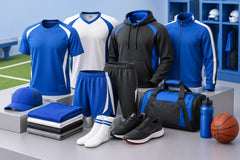
Coaches and staff benefit from matching polos, quarter-zips, hoodies, or jackets that make them easy to identify at tournaments and training. Players need practical travel gear such as tracksuits, warm-up tops, and bags that carry the same club colors. Supporters often want hoodies, tees, and caps that feel connected to the team without copying the exact game jersey.
This is where a simple apparel system saves time. Use the primary club logo for most items, reserve the full jersey design for matchwear, and create a smaller alternate logo for casual pieces. A clean embroidered patch can work well on a coach polo or jacket, while a printed or sublimated crest may be the better value for player uniforms.
For clubs that offer multiple sports, the brand should travel across the program. Basketball uniforms, volleyball jerseys, soccer kits, and spirit wear can use the same logo rules and core colors while adapting to each sport's fit and style. Consistency is the goal, not forcing every product into the same exact layout.
Budget for Reorders, Not Just the First Order
The first uniform order gets the most attention. Reorders are where many clubs lose control. A new player joins midseason, a goalkeeper needs a replacement kit, or a graduating class creates a new roster. If the original uniform was built around discontinued colors, hard-to-match fonts, or one-off details, replenishing it becomes difficult.
Save your approved artwork, color references, logo files, and roster format in one place. Keep notes on the exact jersey style, short style, sock color, and number font. Assign one club contact to approve changes. This prevents each coach from creating a slightly different version of the same brand.
It also helps to choose a supplier that can support bulk team orders while communicating directly about custom details. RRR Sports America works with clubs that need custom sublimated apparel, US sizing, free mockups, and fast production without giving up design flexibility. For many teams, the stated 15-day turnaround can be especially useful when tryouts, tournaments, or late roster additions create a tight deadline.
Make Sizing Part of the Brand Experience
A sharp design loses impact when half the roster is wearing the wrong fit. Use a clear size chart and collect player sizes early. For youth teams, ask whether players prefer room to grow or a closer athletic fit. For adult recreational teams, do not assume everyone wants the same cut.
Order samples or confirm garment measurements when the team is trying a new style. US sizing is helpful, but coaches should still communicate fit expectations before collecting payments. A simple sizing deadline keeps the order moving and reduces last-minute changes.
Get Sponsor Branding Right
Sponsors can help fund uniforms, travel, and club operations, but their logos must fit the overall design. Give sponsors clear placement options before they commit. A sleeve logo, upper back logo, or lower-front placement often works better than placing a large mark directly over the club crest.
Be honest about scale. A sponsor wants visibility, while your players want a jersey that feels like their club's uniform rather than an advertisement. The best solution usually gives the sponsor a clean, readable position and keeps the club identity in the lead.
For higher-value sponsors, consider extending their branding to a banner, team page, event signage, or separate supporter apparel instead of crowding the match jersey. That creates more exposure while protecting the look of the kit.
Approve Every Detail Before Production
The final proof is your last chance to catch expensive mistakes. Review colors, logo placement, player names, numbers, sponsor marks, sizing quantities, and the spelling of every word. Have at least two people check the roster. One person may miss an error simply because they have looked at the same file too many times.
Ask whether the mockup reflects the final print areas, especially around seams, collars, and sleeves. Confirm what is included with the uniform set and whether shorts, socks, patches, or personalization are separate. Clear answers before production keep the order on schedule and the budget under control.
A great club uniform does more than make your players look prepared. It gives every athlete, coach, and supporter something visible to rally around. Build a design system your club can repeat with confidence, then let your teams wear it with pride.