Athletic Department Apparel Guide for Teams
A mismatched sideline sends the wrong message before the first whistle. When athletes wear different shades, coaches have no recognizable gear, and travel apparel looks like an afterthought, the program loses a chance to show pride, professionalism, and unity. This athletic department apparel guide helps schools, clubs, and team organizers build a practical apparel plan that looks sharp, fits real budgets, and arrives on time.
Start With the Apparel Your Program Actually Needs
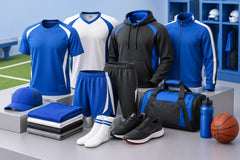
The best apparel order is not the biggest one. It is the one that covers the people, seasons, and moments that matter most. A varsity soccer program may need home and away jerseys, goalie kits, warm-up tops, travel tracksuits, coach polos, and spirit wear. A smaller recreation program may only need reversible jerseys and a few coach shirts.
Begin by separating apparel into three groups: competition gear, staff and travel gear, and optional fanwear. Competition gear needs to meet the demands of the sport, including durable fabrics, clear numbers, and colors that stand out on the field or court. Staff gear should make coaches, trainers, and volunteers easy to identify. Fanwear creates another way for families and supporters to represent the program without changing the core uniform budget.
Do not order every category just because another school does. If your athletes travel frequently, tracksuits and hoodies may be more valuable than an extra practice shirt. If your games are mostly local, prioritize jerseys, shorts, and coach polos first. Build from actual use, not a generic package.
Athletic Department Apparel Guide: Build a Consistent Look
A strong athletic identity should work across sports without making every team look identical. Your soccer uniforms, volleyball jerseys, basketball warm-ups, and staff polos can share the same school colors, logo treatment, and type style while still fitting each sport's personality.
Choose two primary colors and one accent color before reviewing designs. This prevents the common problem of adding a new shade every season until the program no longer looks connected. Decide how the logo will appear on dark, light, and colored apparel. A full-color crest may look great on a white jersey but lose detail on a black hoodie. Having simple logo variations ready makes future orders faster and cleaner.
Numbers and names deserve the same attention. Make sure player numbers are large enough to read from the stands and follow league requirements. Confirm whether last names, first names, nicknames, or no names are appropriate for your level of play. For younger teams, numbers may be enough. For high school, club, and adult teams, names often add a premium, personalized finish.
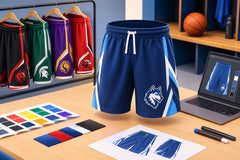
Sublimated apparel is especially useful when your program wants a detailed design without heavy vinyl layers or peeling graphics. Patterns, gradients, logos, numbers, and sponsor elements can be built into the fabric design for a polished result. It is a smart option for teams that want a custom look at a practical team-order price.
Match the Fabric to the Sport
Looks matter, but performance comes first. Soccer and basketball jerseys need breathable, movement-friendly fabric. Volleyball uniforms need stretch and a close but comfortable fit. Cold-weather sports and travel days call for layers that athletes will actually wear, such as hoodies, quarter-zips, jackets, and tracksuits.
Ask players and coaches what causes the most frustration with current gear. Is it see-through fabric? Shorts that run too short? Jerseys that feel heavy after warm-ups? A uniform that looks great in a mockup can still fail if it does not work during competition.
This is also where one-size-fits-all thinking can cost you. A lightweight shirt may be perfect for a summer tournament but not for a fall sideline. Consider climate, indoor versus outdoor play, laundry frequency, and how long the season runs before finalizing materials.
Plan Sizing Before You Place the Order
Sizing problems create more stress than almost any design decision. Collect sizes early, use clear US sizing information, and give athletes a firm deadline to respond. If possible, ask for both a preferred size and a backup size. This gives the organizer options if a style runs more fitted or relaxed than expected.
Avoid guessing based on grade level or age. Players grow, brands fit differently, and athletes often prefer a different fit for competition than they do for travel apparel. Goalkeepers may want room for padding. Basketball players may prefer longer shorts. Coaches might want a more relaxed polo fit for long tournament days.
Order a small number of extras when the budget allows, especially for jerseys and shorts in common sizes. Late registrations, damaged items, and midseason roster changes happen. A few backup pieces can prevent a scramble when your first match is already on the calendar.
Set a Budget That Protects the Essentials
A lower unit price does not always mean a lower total cost. Cheap apparel can create replacement costs, unhappy players, and a look that does not hold up through a full season. At the same time, premium details should not force a program to cut essential uniform pieces.
Set your budget in layers. First fund required game uniforms. Next cover coaching and staff apparel. Then add travel gear, training wear, and fanwear if funds remain. This approach keeps the team properly equipped even when the final budget changes.
Bulk ordering can stretch funds further, particularly when multiple teams order together. A school athletic department can often save by coordinating colors, logo files, and ordering windows across soccer, volleyball, basketball, and other programs. It also reduces the last-minute rush that leads to expensive shipping or missed customization details.
Be clear about what is included in the quoted price. Check for personalization, numbers, names, logo placement, setup, and shipping. Free mockups are valuable because they let your decision-makers approve colors, layout, and branding before production begins. One approved design is far less expensive than fixing a batch after it arrives.
Use a Simple Approval Process
Too many opinions can stall an order. Too few can result in an expensive surprise. The answer is a short approval process with defined roles.
One person should collect player information and sizes. Another should approve branding and budget. Coaches should confirm sport-specific needs, including number rules, goalkeeper colors, and required equipment. Once those decisions are made, share the final mockup with the group for accuracy, not an open-ended redesign discussion.
Check spelling carefully. Review every player name, number, team title, sponsor logo, and graduation year. Look at the design on a phone and a larger screen. Small details that look clear on a desktop can disappear when printed or viewed from the stands.
Order on a Real Timeline
Do not work backward from the first game alone. Work backward from the date players need to receive and try on their gear. Leave room for roster updates, design approval, production, shipping, and any corrections.
A 15-day turnaround can be a major advantage when your season is approaching quickly, but it should not become an excuse to delay the planning stage. Fast production works best when sizes, artwork, colors, and personalization are complete. The cleaner the order information, the smoother the process.
For recurring programs, create an annual apparel calendar. Choose when to collect sizes, approve designs, open fanwear sales, and place replenishment orders. This turns uniform ordering from a yearly emergency into a repeatable system.
Add Fanwear Without Creating Confusion
Fanwear can build program pride and help families feel connected, but it should not distract from the athlete uniform plan. Keep the selection focused. A hoodie, T-shirt, polo, and cap or beanie can cover most needs without overwhelming buyers.
Use the same logo and color standards as the game apparel. A parent hoodie should clearly look connected to the team, even if it uses a simpler design. Consider offering player names or numbers as an optional add-on rather than including them automatically. Some families love the personalization, while others want a clean, reusable item.
Fanwear also works well for fundraising, tournament travel, senior nights, and school spirit events. The key is timing. Open orders early enough that supporters receive gear when it still matters, not after the season ends.
Make Every Order Easier Than the Last
Save your approved artwork, color codes, roster templates, and past order details in one shared place. Record what worked and what did not. Maybe the players loved the jerseys but wanted heavier hoodies. Maybe the coach polos were a hit, but the sizing needed adjustment. Those notes make next season faster and smarter.
RRR Sports America helps teams turn that planning into personalized uniforms and teamwear with free mockups, team pricing, US sizing, and fast production support. Whether you need a full club refresh or a focused order for one roster, the right apparel plan gives your athletes something bigger than clothing: a team identity they are proud to wear.