12 Basketball Uniform Design Ideas That Work
A great uniform gets noticed before the opening tip. Coaches see it when their team walks into the gym. Players feel it when they put it on. Parents and supporters remember it in photos all season. That is why basketball uniform design ideas matter more than most teams think. The right design does not just look good - it builds identity, improves recognition, and helps your program look organized and ready.
If you are ordering for a school team, club program, rec league, or tournament roster, the smartest approach is to balance style, clarity, and budget. Good design is not about adding every trend at once. It is about choosing the right colors, layout, and custom details so the uniform looks premium on the court and practical over a full season.
What makes basketball uniform design ideas actually work
The best uniforms do three jobs at once. They represent your team brand, keep player names and numbers easy to read, and hold up visually from the first game to the last. That sounds simple, but a lot of teams get stuck between bold and overdone.
A clean design usually beats a busy one. If the jersey has loud side panels, a patterned background, oversized numbers, and multiple accent colors, something gets lost. On the other hand, if everything is too plain, the uniform can feel generic. The sweet spot depends on your team level, your colors, and how you want to be remembered.
For most organized teams, a strong basketball uniform starts with one primary color, one secondary color, and one accent. That keeps the look sharp without limiting customization. It also makes it easier to match warmups, shooting shirts, hoodies, and fan gear later.
1. Go modern with sharp geometric panels
One of the safest basketball uniform design ideas is a modern geometric layout. Think angled side panels, subtle shoulder breaks, or a front pattern that adds motion without overpowering the name and number.
This style works well for travel teams, school programs, and clubs that want a competitive look. It feels current, photographs well, and gives you room to use gradients or tonal pattern work. The key is restraint. If the pattern is strong, keep the font simple. If the font is bold, let the panel design stay clean.
2. Use a retro basketball look with updated details
Retro-inspired uniforms keep coming back because they work. Striped trim, classic block lettering, and balanced color placement can make a team look established, even if the program is brand new.
The trade-off is that retro can either look timeless or dated depending on execution. A good update is to keep the old-school structure but print it with modern sublimation detail. That gives you the classic visual without the stiffness or limitations of older uniform styles.
3. Build around your team colors, not just favorite colors
This is where many orders go sideways. A coach may love black, a player vote may favor neon, and a school may already have official colors. Not all of those choices belong in the same uniform.
The better move is to start with the colors tied to your team identity. Then decide where contrast matters most. If your primary jersey is dark, use numbers and names with strong contrast. If your team colors are already bright, do not force extra accent colors into the design just because they look exciting on a screen.
Color also affects cost decisions long term. A focused palette makes it easier to reorder, add matching gear, and keep the full program looking consistent season after season.
Basketball uniform design ideas for home and away sets
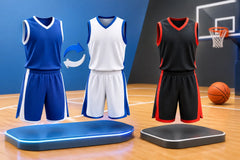
If your team is ordering more than one uniform, the home and away versions should feel connected, not unrelated. This is one of the most practical basketball uniform design ideas because it helps your brand look complete.
Your home uniform can stay cleaner and brighter, usually with a white or light base. Your away uniform can carry the stronger color identity. The design language should stay the same across both - same fonts, same trim logic, same panel style. That way, your team looks like one unit no matter which set is on the floor.
A third alternate uniform can work too, especially for clubs and schools that want a standout tournament look. But if budget matters more than variety, it is smarter to get two great sets than three average ones.
Keep numbers readable from every angle
Style matters, but numbers still need to do their job. Refs, scorekeepers, coaches, and livestream viewers all need to identify players quickly. A trendy font that looks hard to read in motion is a mistake.
Choose a number style with enough thickness and contrast to stay visible under gym lighting. Outlines can help, but too many outline layers can make numbers look messy. Front and back number placement should feel balanced with your logo and team name, not squeezed in as an afterthought.
Name placement should match the jersey shape
Not every jersey cut handles long player names the same way. Youth teams, in particular, can run into spacing problems if the design does not account for size differences. That is why mockups matter before production starts.
A simple rule helps here: if the front design is busy, keep the back cleaner. If the front is minimal, you can add a little more personality elsewhere. Good layout always beats extra decoration.
4. Add subtle patterns for a premium look
Tone-on-tone textures are one of the easiest ways to make a basketball uniform feel more expensive without making it louder. Camo fades, hex patterns, brush textures, or shadow gradients can all work if they stay subtle.
This is especially effective with sublimated uniforms because you can add depth without adding weight or limiting movement. A pattern should support the design, not become the only thing people notice. If you can see the texture from across the gym and not the team name, it is too much.
5. Use side panels to create speed and shape
Side panels are not just decoration. They help frame the body, break up large color areas, and create a more athletic silhouette. For teams that want a fast, aggressive visual identity, this is one of the strongest design tools available.
Vertical side panels usually look cleaner and more traditional. Angled or tapered side panels feel newer and more dynamic. The right choice depends on your logo style and roster age group. Younger teams often benefit from cleaner layouts, while varsity or club programs can push the design a little further.
6. Match the shorts to the jersey, but do not clone it
A common mistake is putting every jersey detail directly onto the shorts. That can make the full set feel crowded. The shorts should support the jersey, not compete with it.
Use the same color system and visual theme, but simplify the shorts where needed. Maybe the jersey carries the pattern while the shorts use clean side striping. Maybe the shorts feature the logo while the jersey stays text-focused. Balance across the full uniform matters more than making each piece equally busy.
7. Let the logo lead the style direction
Your logo should help determine the uniform direction. If the logo is sharp and aggressive, the uniform can lean modern. If the logo is traditional, a cleaner and more structured layout often works better.
Trying to force a futuristic pattern around a classic school mark usually creates tension. The same goes the other way. A modern club logo can look flat on an overly basic jersey. Start with the logo, then build the fonts, striping, and color placement around it.
8. Use customization where players notice it most
Names, numbers, team wordmarks, and patches are the obvious custom features, but small details can make a big difference. A short team tagline inside the collar, a city name on the waistband, or a special tournament edition colorway can make the uniform feel more personal.
That said, every extra custom feature should earn its place. If your deadline is tight or your budget is fixed, prioritize the details that have the biggest visual impact first. Most teams get more value from a polished main design than from adding too many small extras.
9. Design for the gym, not just the mockup
Some uniforms look amazing on a digital screen and average under real gym lighting. This is where experienced planning helps. Metallic effects, tiny details, and low-contrast color combos may not translate well in person.
Always think about how the uniform will appear during movement, from the stands, and in team photos. Strong contrast, confident fonts, and balanced color blocking usually win because they stay visible in every setting.
10. Think beyond this season
If you may need reorders, new player additions, or matching off-court gear later, choose a design system that can grow with your program. A very trend-heavy look may feel stale faster than a clean custom setup with a few modern touches.
That is one reason many coaches and team managers prefer flexible custom programs with free mockups and fast turnaround. It makes it easier to get the design right early, adjust details before production, and keep future orders consistent. For teams that want premium-looking uniforms without premium pricing, that balance matters.
11. Make budget-friendly choices that still look custom
Affordable does not have to mean basic. Some of the best-looking uniforms come from smart use of color blocking, clear typography, and clean sublimated detail rather than complicated construction.
If you are managing a full team order, focus your budget on the parts that players and spectators actually notice: overall color impact, readable numbers, and a strong front chest design. You can still create a sharp custom result without chasing every extra feature.
12. Choose a design your team will be proud to wear
The best uniform is not always the loudest or the trendiest. It is the one your team feels connected to. Players want to wear something that looks serious. Coaches want something organized. Program leaders want something affordable, repeatable, and fast to order.
That is why the strongest basketball uniform design ideas usually come down to a few practical decisions made well. Pick a clear identity. Use color with purpose. Keep the layout readable. Add custom details that matter. If you do that, your uniform will not just look good in a catalog mockup. It will look right on your team.
If you are ordering for a full roster and need a design that looks premium without slowing down your season, a custom supplier like RRR Sports America can make the process easier with flexible options, free mockups, and team-focused pricing. The smartest uniform choice is the one that gets your players on the court looking unified, confident, and ready.