School Sports Uniform Guide for Better Team Orders
A school uniform order can look perfect on a screen and still cause problems on game day. Jerseys that run small, colors that do not match the school brand, missing numbers, and late deliveries all create avoidable pressure for coaches and athletic directors. This school sports uniform guide helps you make smart decisions before the order goes into production, so every player steps out looking prepared, unified, and ready to compete.
Start With the Sport, Season, and School Rules
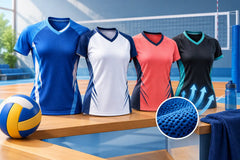
There is no one uniform formula for every athletic program. A soccer kit needs lightweight movement and a clear contrast between field players and goalkeepers. Basketball jerseys need clean number placement that stays readable at speed. Volleyball teams need flexible performance fabric that works through repeated jumps, dives, and washes. Tracksuits, polos, and hoodies solve a different need: travel, warmups, staff apparel, and school spirit beyond the court or field.
Start by checking your district, league, or state association requirements. Number sizes, logo placement, color contrast, and acceptable player identification can vary by sport and competition level. Do this before approving artwork, not after a roster has been printed. It is also worth confirming whether home and away uniforms are required or whether reversible jerseys are acceptable for your program.
Then consider the season. A fall soccer team may need breathable jerseys plus warmup jackets for cold evenings. A winter basketball program may prioritize shooting shirts and travel gear. Ordering with the actual calendar in mind keeps families from buying apparel that looks great but does not serve the team’s daily needs.
Build a Uniform That Looks Like Your School
A school uniform is more than a shirt with a mascot on it. It should make your athletes recognizable from the sideline, in photos, and across a crowded gym. The strongest designs begin with the school’s official colors, but that does not mean every piece has to be a flat block of color. Modern stripes, gradients, panel patterns, retro looks, and subtle texture can give a program fresh energy while keeping its identity intact.
Use a logo that remains clear at uniform size. Highly detailed artwork can lose impact when reduced to a chest print or sleeve detail. A bold mascot mark, initials, or wordmark is often more effective. Keep player numbers easy to read from a distance, and choose a font that fits the school personality without making names or numbers difficult to identify.
Sublimation is especially useful when a team wants more design freedom. Colors, patterns, logos, names, and numbers are integrated into the fabric rather than added as heavy layers on top. That means you can create a polished, premium-looking design without limiting the team to a basic stock template. For schools that want a consistent look across varsity, junior varsity, youth programs, and fan gear, this flexibility matters.
Keep Home, Away, and Goalie Kits Distinct
Contrast is a performance issue, not just a design choice. Officials, players, and spectators need to tell teams apart immediately. Plan a clear primary uniform and a contrasting alternate, especially for soccer, basketball, and volleyball. For soccer programs, goalie kits should stand apart from both teams and match officials as required by the competition.
If your budget only allows one competition uniform, choose a color that is strongly connected to the school and ask the league what alternate solutions are allowed. Sometimes pinnies, reversible options, or a limited number of alternate jerseys can cover a potential conflict. The right answer depends on your sport’s rules and schedule.
Prioritize Fit Before You Finalize the Order
Sizing is where a smooth team order can become frustrating fast. Do not assume that a player’s everyday T-shirt size will match an athletic jersey. Different cuts, fabrics, and sports affect fit. Soccer players may prefer a closer performance fit, while basketball players may want more room through the shoulders. Goalkeepers often need space for padded layers, and warmup gear needs enough room to wear over uniforms.
Use the supplier’s US sizing chart and collect sizes early. When possible, offer sample sizes or fit kits before the final roster is submitted. This is especially valuable for middle school teams, where players can change sizes quickly, and for programs with a wide range of body types.
Give families a clear deadline and explain that size changes after production begins may not be possible. Order a few extra blank or flexible-use pieces if your budget allows. New students, late registrations, damaged jerseys, and unexpected roster additions happen. A small backup plan is cheaper than scrambling for a one-off replacement during the season.
Plan Your Budget Around the Full Program
The lowest jersey price is not always the lowest uniform cost. Before comparing options, decide what each athlete actually needs. A complete package may include a game jersey, shorts, socks, a warmup top, and a travel item. Other programs may only need jerseys because athletes already have approved shorts or because the school provides equipment separately.
Build a budget that accounts for customization, shipping, replacement pieces, and any staff apparel. Team discounts and wholesale pricing can make a complete coordinated order more affordable than purchasing items one at a time. It also helps to standardize designs across multiple teams, since consistent colors and artwork can simplify future reorders.
Do not overspend on details that will not show up in competition. Instead, spend where players feel the difference: breathable fabric, dependable construction, accurate sizing, and a design they are proud to wear. A sharp custom jersey can raise the perceived quality of an entire program, but it still has to hold up through practices, travel, and laundry.
Set a Timeline That Protects Your Season
Uniform deadlines should be built backward from the first date the team needs to wear them, not from the day tryouts end. Include time for roster confirmation, artwork approval, sizing collection, production, shipping, and distribution. If the school requires administrative approval, add that step before the design is finalized.
A fast turnaround is valuable, but rushed decisions can create expensive mistakes. Confirm spelling for every player name, check each jersey number against the roster, and inspect the final mockup for logo placement and color accuracy. Assign one person to submit final approval so coaches, parents, and boosters are not sending conflicting changes.
For a dependable order process, gather these details before requesting a mockup:
- Official school colors, mascot artwork, and any required brand guidelines
- Sport, division, season dates, and home or away uniform needs
- Player names, numbers, sizes, and any captain or staff designations
- Budget target, delivery deadline, and quantities for extras or fan apparel
Choose a Supplier That Can Handle Team Details
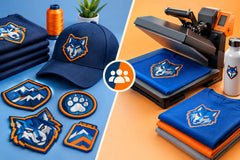
A school program needs more than a website checkout page. Look for a supplier that can answer questions about design, sizing, sport-specific needs, and bulk ordering without slowing down the process. Direct communication is especially helpful when you are managing multiple teams, adding embroidered patches, coordinating staff polos, or matching a new order to uniforms from a previous season.
Ask what is included in the quoted price, how artwork approval works, and what the reorder process looks like. Also ask about production timing before making promises to athletes and families. A 15-day turnaround can be a major advantage when your season is close, but only if roster details and approvals are ready to go.
RRR Sports America helps schools create personalized sublimated uniforms, goalie kits, warmups, polos, and teamwear with free mockups, team pricing, and direct support for custom orders. That combination gives organizers more control without making the process complicated.
Make the First Game Feel Organized
Great uniforms do not happen by accident. They come from a clear design, correct sizes, confirmed rules, and a timeline with room to check every detail. When the final package arrives, sort it by player before distribution and inspect names, numbers, and sizes while there is still time to address an issue.
Start your order with the roster and first game date, then build the design around the identity your school wants athletes to carry. The result is not just matching apparel. It is a team that looks ready to represent.